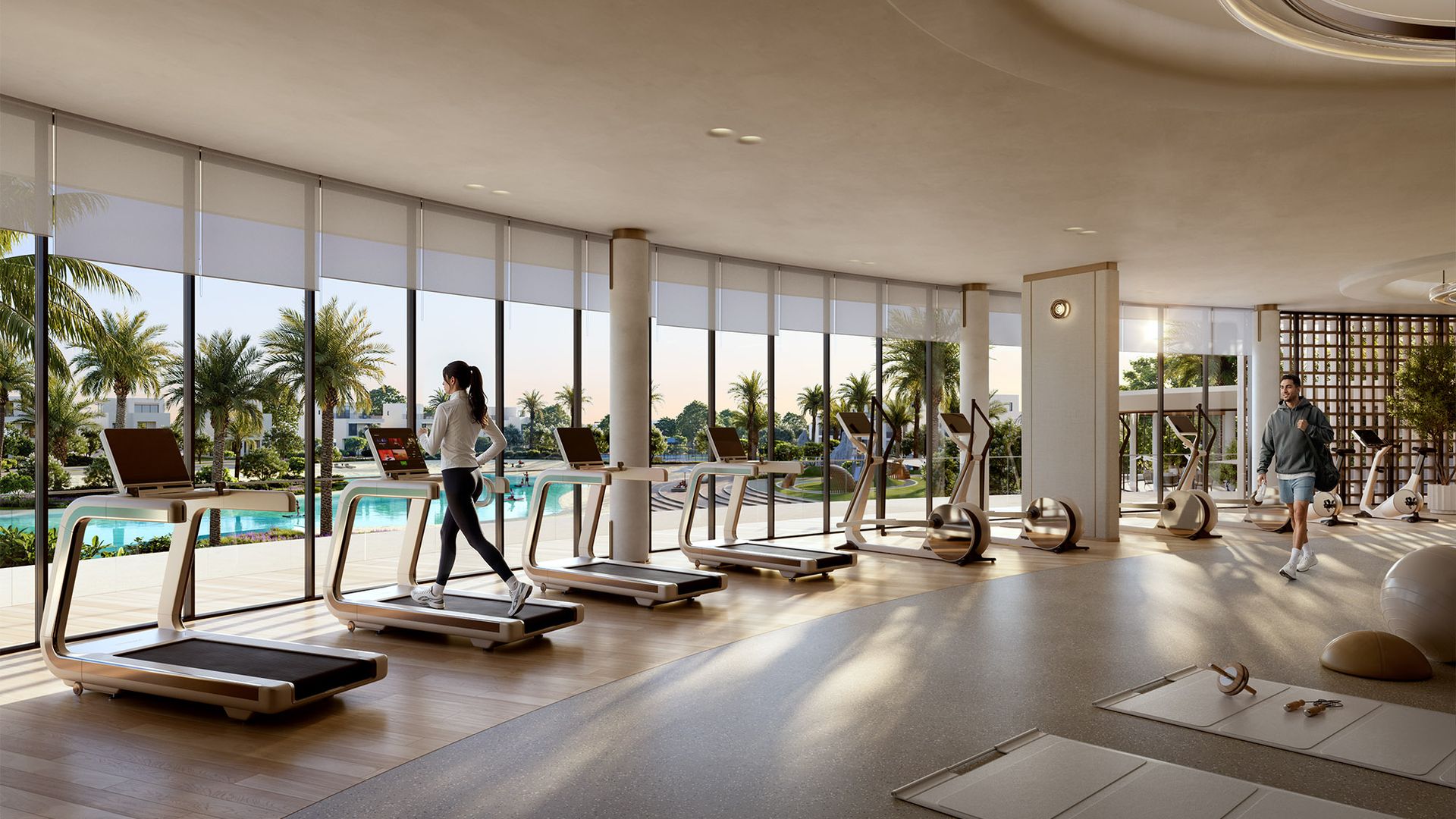
Across the UAE, the concept of home is evolving. Residential developments are no longer judged solely by location or architectural prestige. Increasingly, buyers are prioritising communities that actively support wellbeing. As the warmer months approach, demand is growing for neighbourhoods that encourage healthy living, provide access to nature, and foster meaningful social connections. For developers, wellness-led planning is becoming a critical factor in attracting residents and maintaining long-term property value.
Today’s buyers want environments that support active lifestyles, whether through walkable neighbourhoods, outdoor fitness areas or shaded pedestrian routes. In the UAE’s climate, thoughtful design plays a particularly important role. Landscaped pathways, tree-lined streets, and strategically positioned shaded spaces help create outdoor environments that remain comfortable even during hotter months. When outdoor spaces are designed to be usable year-round, they become central to daily life within a community.
Alongside this, biophilic design is becoming a key consideration in residential architecture and landscape planning. The concept focuses on strengthening the connection between people and nature within the built environment. In practical terms, this may include landscaped courtyards, water features, native planting, and homes designed to maximise natural light without heat and views of greenery. These elements do more than enhance aesthetics; they contribute to improved mental wellbeing, reduced stress, and more balanced lifestyles for residents.
Biophilic strategies also support sustainability goals. In the UAE, using climate-adapted planting, shaded landscapes, and natural ventilation can help reduce heat and lower energy consumption. As developers increasingly align projects with environmental targets, integrating nature into residential design provides both lifestyle and environmental benefits.
Another important factor influencing buyer demand is community-centred planning. Buyers are increasingly drawn to neighbourhoods that offer shared spaces and opportunities for interaction. Parks, communal gardens, outdoor gathering areas, and pedestrian-friendly streets help foster a sense of belonging and encourage social engagement among residents.
Designing communities where amenities, green spaces and residential areas are easily accessible on foot also aligns with broader urban planning trends in the UAE. Human-scale layouts that reduce reliance on cars and prioritise walkability contribute to healthier, more connected lifestyles.
For developers, the message is clear. Wellness is no longer an added feature - it is becoming an expectation. Residential communities that prioritise landscape, climate-responsive design and social interaction will continue to resonate with buyers. As the UAE’s residential market evolves, developments that successfully integrate wellbeing into their design will be best positioned to meet the demands of modern residents.