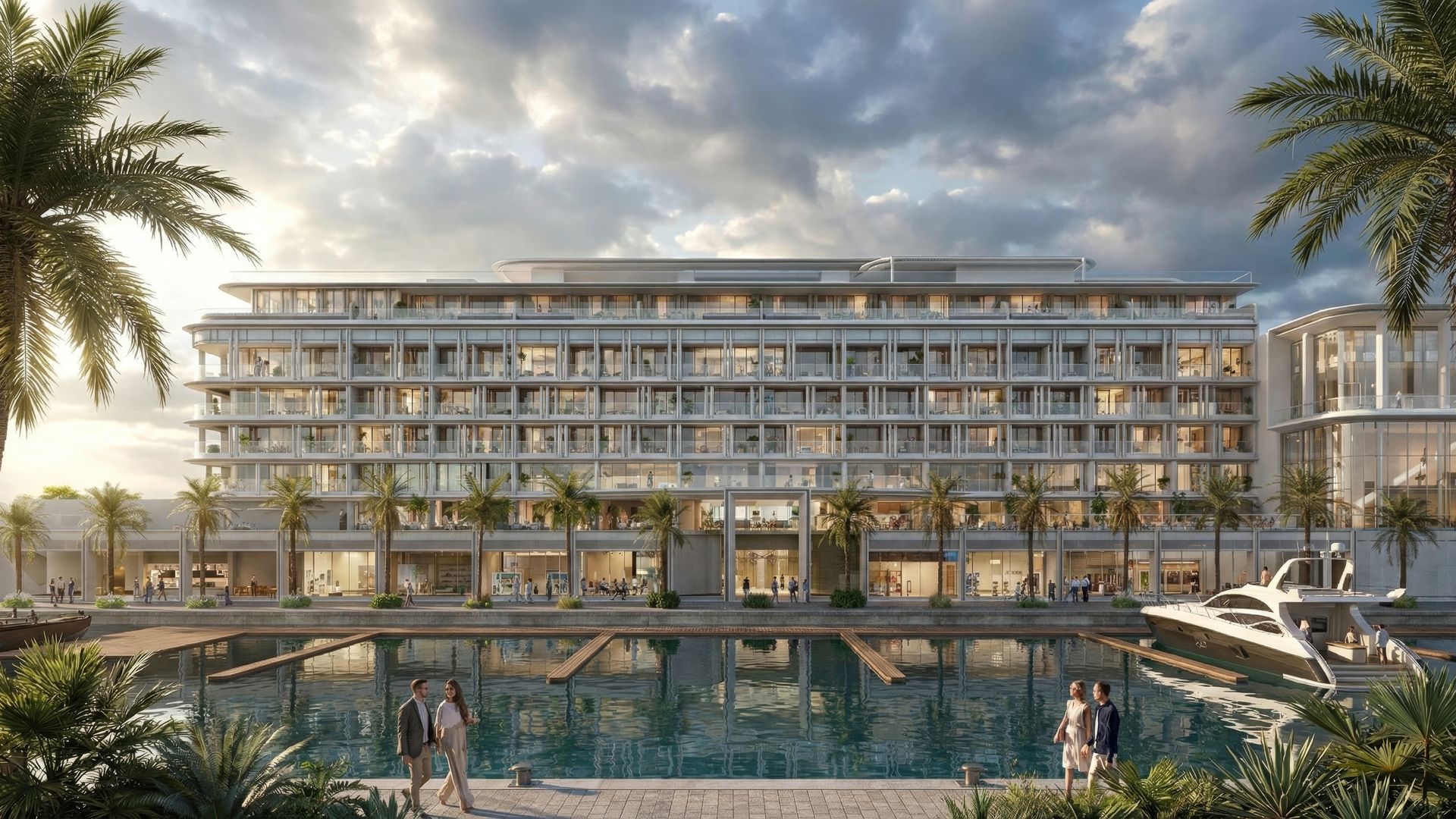
Coastal development across the Middle East is entering a new phase, with reclaimed land playing a pivotal role in shaping landmark waterfront destinations. From Dubai’s iconic islands to Saudi Arabia’s ambitious Red Sea developments, reclaimed land offers developers a unique opportunity to create premium real estate assets in highly desirable locations. MOMA International is recognised for its ability to navigate the complexities of waterfront design while delivering high-value, design-led developments that maximise both commercial and experiential outcomes.
Building on reclaimed land, however, requires far more than architectural vision. It demands a highly coordinated approach that integrates engineering, environmental strategy and long-term resilience from the outset. Developers must work closely with multidisciplinary teams to ensure that every aspect of the project, from ground conditions to coastal protection, is addressed with precision.
One of the most critical challenges is soil stability. Unlike natural terrain, reclaimed land is typically formed from dredged materials that require significant ground improvement to support structural loads. Advanced techniques such as vibro-compaction, dynamic consolidation and deep foundation systems are essential to mitigate settlement risks and ensure long-term performance. Design firms operating in this space must therefore collaborate closely with geotechnical engineers to align architectural ambition with engineering feasibility.
Equally important is coastal engineering coordination. Waterfront developments are inherently exposed to tidal forces, wave action and, increasingly, the long-term impacts of climate change. Successful projects incorporate robust coastal defence strategies, including breakwaters, seawalls and advanced drainage systems, while also ensuring that these interventions are seamlessly integrated into the overall design language of the development.
Sustainability is becoming a defining factor in reclaimed land projects across the UAE and Saudi Arabia. Developers are under increasing pressure to minimise environmental impact while delivering world-class destinations. This includes protecting marine ecosystems, enhancing biodiversity and incorporating nature-based solutions such as mangrove restoration and soft shoreline design. Forward-thinking firms are also integrating energy-efficient systems, water-sensitive landscaping and smart infrastructure to create developments that are both resilient and environmentally responsible.
From a commercial perspective, reclaimed land offers a powerful opportunity for premium positioning. Waterfront properties consistently command higher values, driven by exclusivity, views and lifestyle appeal. Developers are therefore leveraging design to maximise these advantages, creating curated environments that combine residential, hospitality and leisure components into cohesive, high-end destinations.
What ultimately defines success in building on reclaimed land is the ability to balance risk with opportunity. Projects that achieve this do not simply overcome technical challenges; they transform them into defining features of the development. With the right expertise and strategic approach, reclaimed land can deliver some of the most iconic and valuable real estate assets in the region.