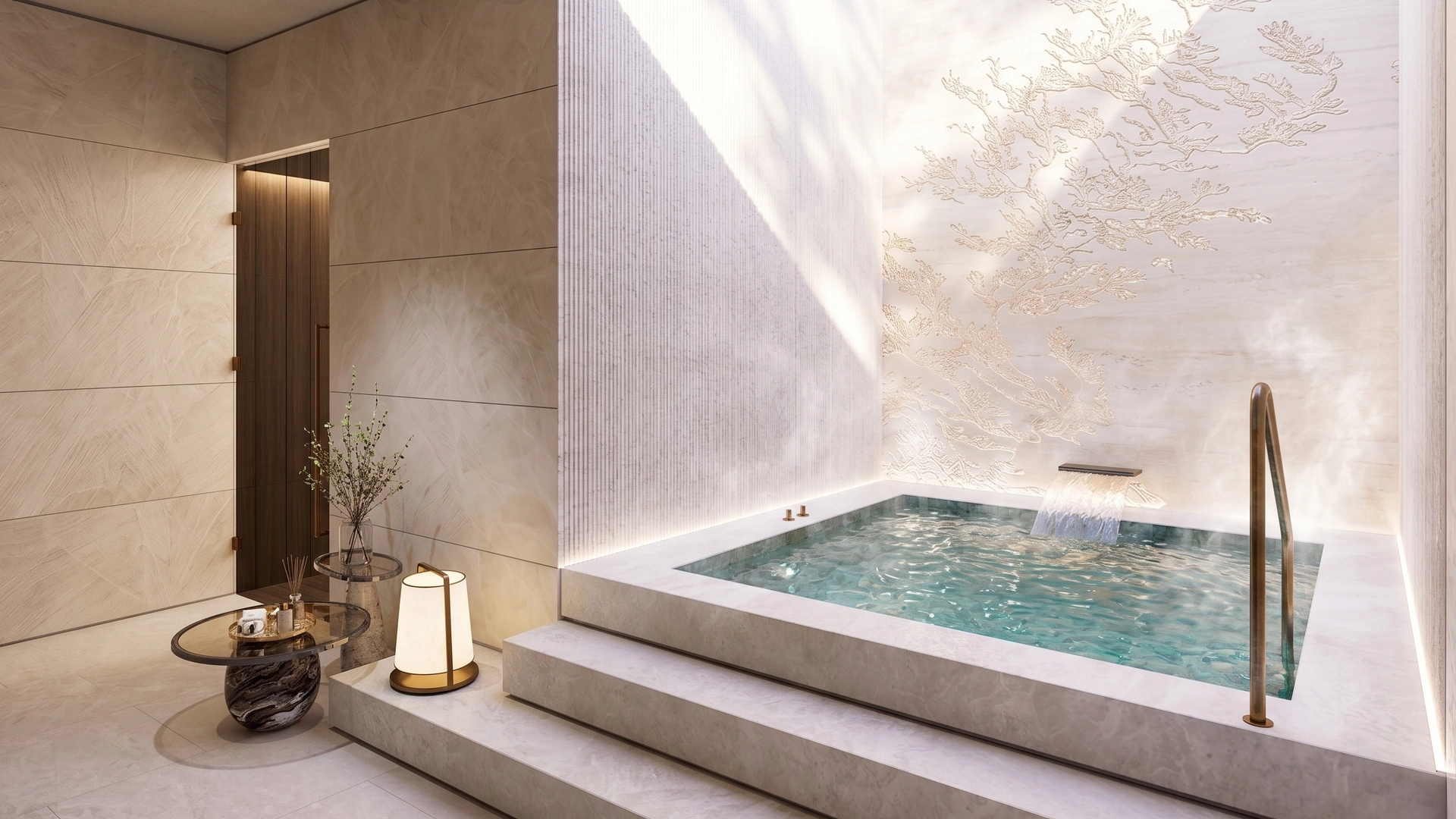
Luxury residential design is evolving. Today's buyers are looking beyond premium finishes and exclusive amenities, placing greater value on homes that support wellbeing, encourage connection and improve everyday quality of life.
This shift is transforming how architects and designers approach residential developments across the UAE and wider GCC. Wellness is no longer an optional feature; it is becoming a core design principle.
For many years, wellness in residential projects meant adding facilities such as gyms, spas or yoga studios. While these remain desirable, today's homeowners expect wellbeing to be integrated into every aspect of the living experience.
Natural light, shaded outdoor spaces, walkable communities, improved air quality and seamless connections to nature all contribute to healthier environments that people can enjoy every day.
According to the Global Wellness Institute, the global wellness real estate market is expected to exceed USD 900 billion by 2028, highlighting growing demand for homes that actively support healthier lifestyles.
The most successful residential developments don't simply look impressive, they create spaces where people feel calm, comfortable and connected.
Thoughtful architectural planning, natural ventilation, tactile materials and biophilic design all influence how residents experience a space. These details may seem subtle, but together they can reduce stress, improve wellbeing and create stronger emotional connections with a home.
Rather than treating wellness as an added feature, designers are increasingly embedding it into the fabric of every project.
Designing for wellbeing in the GCC also means responding to the region's climate and culture.
Privacy, hospitality, family living and outdoor spaces all play an important role in creating communities that feel both functional and restorative. Shaded walkways, native planting, cooling landscapes and spaces that encourage social interaction help create environments that are suited to the way people live across the region.
As cities continue to grow, successful residential developments will be those that balance urban density with opportunities to reconnect with nature and find moments of calm.
Technology will continue to enhance residential wellbeing through innovations such as improved air quality systems, circadian lighting and smart environmental controls. However, these innovations work best when combined with timeless architectural principles, including natural ventilation, careful orientation and meaningful connections between architecture and landscape.
Ultimately, the future of luxury will be defined less by what a home contains and more by how it makes people feel.
Wellness-led design is no longer a trend. It is becoming the foundation of exceptional residential architecture.