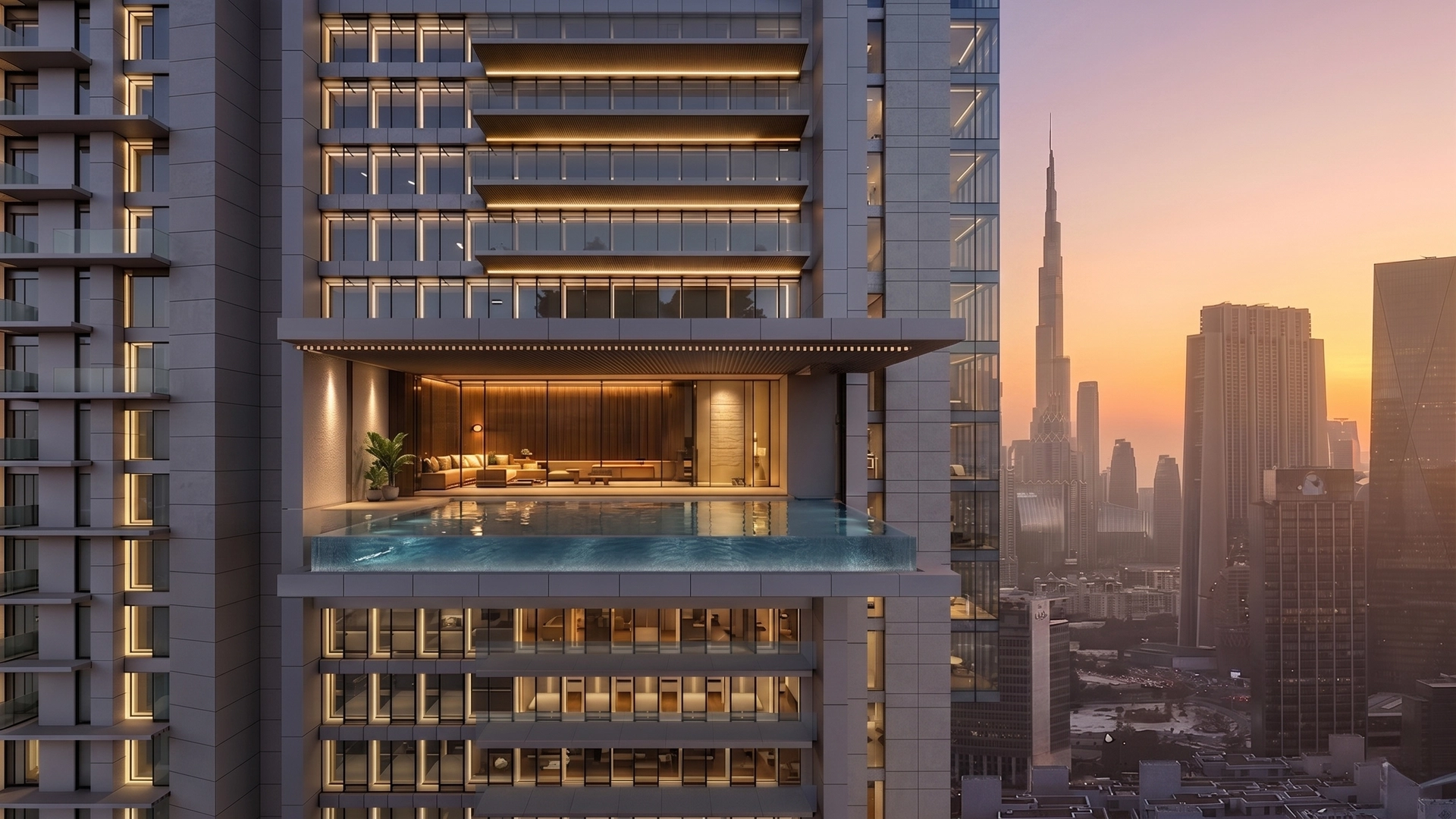
Across the Middle East, the role of the façade is undergoing a transformation. Once viewed as a building's exterior expression, today's façades are expected to do far more than create visual impact. Façade design and engineering now influence energy performance, occupant comfort, resilience, sustainability and long-term asset value. Industry conversations at ZAK World of Façades reinforced this shift from appearance alone towards performance and lifecycle value.
The building envelope forms the environmental boundary between inside and outside. Its design affects heat gain, daylight, energy consumption and protection from external conditions. A well-designed façade can improve thermal comfort, maximise natural light and support healthier indoor environments. These outcomes are strongest when performance is embedded in the architectural concept rather than added as a technical exercise later in the process.
Across the GCC, intense solar exposure, high temperatures and ambitious sustainability requirements are driving façade innovation. High-performance glazing, external shading, ventilated façades and carefully selected opaque materials can manage heat gain while preserving views, daylight and architectural identity. Each elevation has a different relationship with the sun and its surroundings, so climate-responsive façade design must be calibrated rather than uniform.
Building envelopes are also becoming more adaptive. Dynamic shading, responsive elements and digitally integrated monitoring can help buildings react to changing environmental and operational conditions. Intelligence does not always require a complex kinetic system; it can also come from precise passive design, well-calibrated shading and clear performance data. The best solution balances responsiveness with reliability, maintenance needs and genuine operational value.
Innovation in materials and manufacturing is expanding the options available to architects and engineers. Larger-format glazing, lightweight façade systems, high-performance composites and advanced finishes can support cleaner building envelopes, reduce structural loads and simplify installation. Their success still depends on local exposure, material compatibility and access for cleaning, repair and replacement. A visually ambitious façade only succeeds when it can be fabricated, installed and maintained with confidence.
Advanced digital modelling allows designers and engineers to study solar exposure, daylight, thermal behaviour and material efficiency before construction. Artificial intelligence can accelerate exploration and support more informed decisions, but it reinforces rather than replaces technical expertise. Experienced professionals must interpret results, understand risk and apply engineering judgement. Constructability, material knowledge and site realities remain decisive in translating data into a successful building envelope.
Success is increasingly judged over the full life of a building, not only at handover. Buildability, durability, maintainability and lifecycle value must be considered from the outset. This long-term view also matters in luxury developments, where natural light, framed views, privacy and thermal comfort shape the daily experience of residents, guests and tenants. Visual identity, efficiency and durability should reinforce one another.
Façade design and engineering therefore belong in one conversation about architecture, environmental performance and construction. MOMA International sees façade engineering as the bridge between architectural vision and enduring performance. By balancing ambition with technical rigour, the building envelope becomes more than a protective skin. It becomes an elegant, resilient system designed to support people, place and long-term value.