الاسم، المسمى الوظيفي، اسم الشركة
مها البواردي، الشريكة المؤسِّسة والمديرة التنفيذية في موما إنترناشيونال، ومونيكا مرهبي، الشريكة المؤسِّسة والمديرة الإبداعية في موما إنترناشيونال.
1. تتمتّع «موندريان» بهوية عالمية بالغة التميّز متجذّرة في الفن والثقافة ولغة التصميم الجريئة. فكيف فسّرت موما إنترناشيونال هذا الحمض النووي للعلامة في سياقٍ سكني على الواجهة البحرية في رأس الخيمة دون أن تفقد الحميمية المتوقّعة من منزلٍ خاص؟
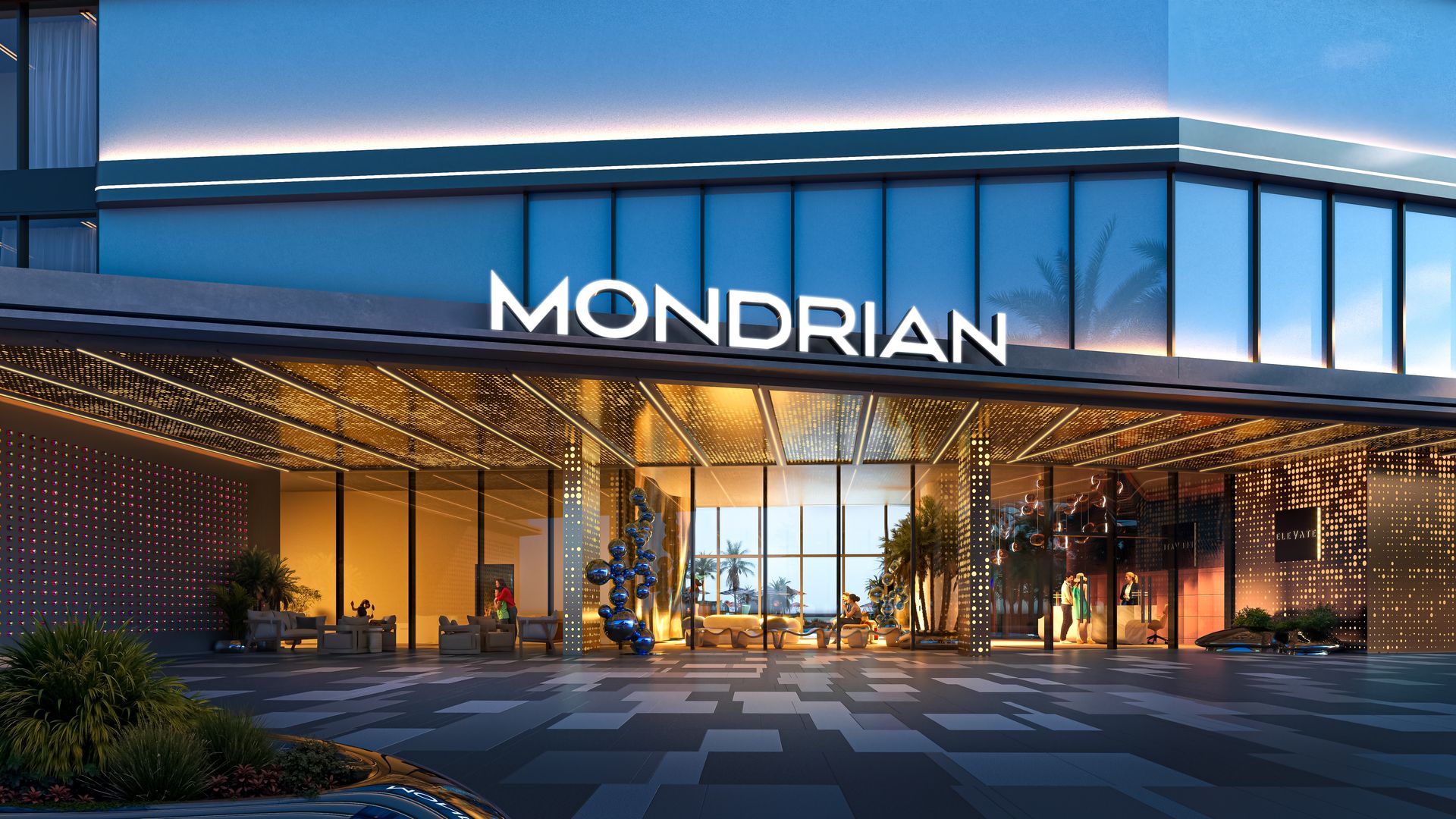
تطلّب تفسير هوية «موندريان» المميّزة ضمن سياقٍ سكني على الواجهة البحرية توازناً دقيقاً بين التعبير والحميمية. فلغة علامة موندريان الجريئة والفنية تظل حاضرة، لكننا قطّرناها في صورةٍ أكثر رهافةً وقابليةً للعيش.
ترسّخ العناصر النحتية ولحظات التباين التصميمَ، فتمنح إحساساً هادئاً بالدراما يعكس الطابع العالمي لموندريان. غير أن هذه العناصر تُلطَّف عبر إدخال خاماتٍ أدفأ وأكثر ملمساً كالخشب والجصّ ذي الملمس، إلى جانب نهجٍ أرقّ وأكثر انسجاماً مع الأجواء في الإضاءة. ويخلق هذا التدرّج أجواءً تبدو معبّرة ومحلية وشخصية في العمق.
ويؤدّي الفن دوراً محورياً في الحفاظ على هوية العلامة، إذ تتخلّل المساحاتِ قطعٌ لافتة ولمساتٌ معدنية راقية. ومع ذلك تتناغم هذه العناصر مع لوحة ألوانٍ حاضرة بقوة ونعومةٍ في الخامات ترسّخ التصميم الداخلي. والنتيجة حوارٌ سلس بين الجرأة والراحة، تُصان فيه روح موندريان بينما تبقى التجربة حميمة وهادئة وسكنية في جوهرها.
2. كثيراً ما تسير المساكن التي تحمل علاماتٍ تجارية على خيطٍ رفيع بين الجماليات اللافتة وقابلية العيش على المدى الطويل. فكيف تعامل فريقكم مع تصميم داخلي يبدو معبّراً بصرياً مع بقائه خالداً ومريحاً للسكان؟
إن التصميم للمساكن ذات العلامات التجارية هو في نهاية المطاف تمرينٌ على إتقان التوازن، حيث يجب أن يكون التعبير مقصوداً، مع بقاء الديمومة والتجربة الإنسانية في المقدمة دائماً. ويبدأ النهج بأساسٍ هادئ ومعمّر، باستخدام لوحة ألوانٍ محايدة تتيح للمساحة أن تتنفّس وتتطوّر مع سكانها بمرور الوقت، بما يضمن مرونتها.
وضمن هذا الإطار الهادئ، تُدخَل لحظات التعبير بدقة. فقد تصبح قطعةٌ نحتية، أو لفتةٌ معمارية محدّدة، أو لمسةٌ معدنية راقية، نقطةَ ارتكازٍ بصرية تضيف عمق العلامة وطابعها دون أن تُثقل التكوين العام أو تخاطر بأن يبدو قديماً. وهذه العناصر ليست ثابتة بل منتقاة، بما يتيح للتصميم أن يبدو نابضاً ومتّزناً في آن.
وتؤدّي الخامات دوراً محورياً، لا سيّما في سياق البيئة الساحلية. فالتشطيبات تُختار لا لجودتها الجمالية فحسب، بل لقدرتها على الصمود. وقد اختير الحجر المطفأ اللمعة، والخشب المعالَج، والصفائح المضغوطة المتطوّرة، والمعادن المطلية، لمتانتها في مواجهة الرطوبة والتعرّض لأشعة الشمس، بما يضمن حفاظها على سلامتها مع تقادمها بأناقة.
وقد تعزّز هذا المستوى من اتخاذ القرارات المدروسة عبر التعاون الوثيق مع المطوّر «إيليفيت» (ELEVATE)، الذي انخرط مؤسِّسه ورئيس مجلس إدارته زيشان شاه بفاعلية في مناقشات الخامات ومراجعات التصميم منذ البداية، بما ساعد على ضمان أن يوازن التصميم الداخلي بين المقصد التصميمي والأداء وسهولة الاستخدام على المدى الطويل.
وهذا التوازن بين التعبير الرهيف وديمومة الخامات يخلق تصميماً داخلياً يبدو مميّزاً ومعمّراً في آن، لا تُمَسّ فيه الراحة، ويظل التصميم ذا صلةٍ بمرور الوقت.
3. مع تموضُع «موندريان جزيرة المرجان» كوجهةٍ يقودها أسلوب الحياة، كيف صاغت استراتيجية التصميم الانتقالَ بين المساحات الاجتماعية العامة والبيئة السكنية الأكثر خصوصية؟
صُمِّم الانتقال بين المساحات العامة والخاصة بوصفه تدرّجاً انسيابياً لا حدّاً فاصلاً، بما يتيح للتجربة أن تتكشّف بإحساسٍ طبيعي بالإيقاع. وكل مساحة مُعايَرة بعناية لتعكس غرضها، مع بقائها جزءاً من سرديةٍ تصميمية متماسكة.
وتفيض المناطق العامة بإحساسٍ عالٍ بالطاقة وتعبيرٍ أكثر حيوية، حيث تخلق الأسطح العاكسة والألوان الأغنى والأشكال النحتية أجواءً نابضة ومميّزة واجتماعية. وكلّما توغّل المرء في النطاق السكني، بدأت هذه اللغة تلين؛ فتصبح الخامات أكثر ملمساً، وتتحوّل الإضاءة إلى طابعٍ أدفأ وأكثر انسجاماً مع الأجواء، ويغدو المزاج العام أكثر هدوءاً وخصوصية وتأمّلاً.
وهذا التدرّج جوهري في مشروعٍ بهذا الحجم، حيث تتعايش وجهات أسلوب الحياة وتجارب تناول الطعام والمساكن الخاصة. ويضمن التصميم أن يبدو كل انتقالٍ مقصوداً وسلساً، فيخلق إحساساً بالاستمرارية مع إتاحته للسكان أن يتنقّلوا بلا عناء بين الحيوية والاختلاء.
4. باتت المشاريع الساحلية الفاخرة في الإمارات العربية المتحدة يقودها التصميم أكثر فأكثر. فما الذي يميّز هذا المشروع، برأيكم، عن العدد المتنامي من المساكن الشاطئية ذات العلامات التجارية التي تدخل السوق؟
ما يميّز هذا المشروع هو وضوح تموضُعه والمقياس الذي يُنفَّذ به التصميم، وكلاهما يتجاوز ما يُشاهَد عادةً في المشاريع الشاطئية الفاخرة هنا في الإمارات العربية المتحدة. فهذا ليس عرضاً سكنياً قائماً بذاته، بل وجهة متكاملة لأسلوب الحياة، يُصمَّم فيها التصميم الداخلي عبر المناطق العامة ومنافذ الأطعمة والمشروبات والمساكن الخاصة ضمن رؤيةٍ واحدة متماسكة.
وبمساحةٍ مبنية تتجاوز 68,000 متر مربع، مدعومةً بأكثر من 60,000 قدم مربع من المرافق المنتقاة، يقدّم المشروع مستوىً من العمق والبرمجة نادراً في السوق السكني الساحلي. فمساحاتٌ مثل «نادي السكان السماوي» (Residents’ Sky Club)، ومرافق العافية، وأول مطعم «فيليا باي ذا بيتش» (Fi’lia By The Beach) في المنطقة، لا تُعامَل كإضافات، بل كمكوّناتٍ جوهرية في السردية التصميمية، تُشكّل طريقة عيش السكان وتفاعلهم مع البيئة.
ولا يقل أهميةً الطريقةُ التي تُترجَم بها هوية موندريان على المستوى الإقليمي. فبوصفه أول مشروع سكني على الواجهة البحرية للعلامة في الشرق الأوسط، يقدّم تفسيراً جديداً كلياً على نحوٍ خاص به، وإذا أضفنا إلى ذلك خصوصيته المرتبطة برأس الخيمة، غدت فرادته مطلقة.
وهذا المزيج من المقياس، والعرض المتكامل لأسلوب الحياة، والموقع، والمجتمع المحيط، والترجمة المدروسة بعناية للعلامة، هو ما يميّز المشروع في نهاية المطاف. فهو لا يقوده التصميم فحسب، بل تقوده التجربة أيضاً، إذ يسهم كل عنصر في نهجٍ أكثر اكتمالاً وتفرّداً للعيش الساحلي.
5. كثيراً ما تعكس أعمال موما إنترناشيونال إحساساً قوياً بالأجواء والتواصل العاطفي. فأيّ نوعٍ من التجربة العاطفية أردتم أن يشعر بها السكان والزوّار عند دخول هذه المساحات؟
صُمِّمت التجربة العاطفية لتنكشف تدريجياً بمرور الوقت ومع اكتشاف عناصر جديدة من العقار، لا دفعةً واحدة؛ إنها رحلةٌ إن جاز التعبير. فثمة إحساسٌ فوري بالفضول عند الوصول، حيث يستحوذ تفاعل الشكل والخامة والضوء على الانتباه ويدعو إلى الاستكشاف. غير أن هذا الانطباع الأولي يُلطَّف عن قصد خارج المساحات العامة، بما يتيح للمساحات أن تستقرّ على طابعٍ أكثر خصوصية ودواماً بالنسبة إلى السكان.
وكلّما تنقّل الضيوف عبر المساحات الداخلية، غدت الأجواء أهدأ وأكثر رسوخاً. فتبدو الملامس أكثر حِسّية، والضوء أكثر انسجاماً مع الأجواء، والبيئة العامة أكثر تأمّلاً. وهذا التحوّل تحديداً هو ما يتيح للتصميم أن يتجاوز كونه بياناً بصرياً بحتاً، فيخلق مساحاتٍ يعود إليها السكان يومياً بإحساسٍ من اليُسر والألفة.
وفي نهاية المطاف، تكمن الغاية في خلق توازنٍ عاطفي، يتفاعل فيه التصميم دون أن يُثقل، ويظل يقدّم طبقاتٍ جديدة من التقدير بمرور الوقت.
6. مع تحوّل المساكن ذات العلامات التجارية من منتجاتٍ عقارية إلى منظوماتٍ متكاملة لأسلوب الحياة، كيف ترون إسهام التصميم الداخلي في القيمة والجاذبية على المدى الطويل لمشاريع مثل «موندريان جزيرة المرجان»؟
يؤدّي التصميم الداخلي دوراً مباشراً في كيفية خلق القيمة وإدراكها والحفاظ عليها ضمن مشروعٍ بهذه الطبيعة. وفي حالة «موندريان جزيرة المرجان»، انعكست قوة السردية الداخلية بالفعل في أداء السوق، إذ بيعت مساكن بقيمة تتجاوز 700 مليون درهم إماراتي خلال ساعتين فقط من الإطلاق، إلى جانب الاستيعاب السريع لأكثر من 200 وحدة. وهذا المستوى من الطلب لا يقوده الموقع وحده، بل وضوح عرض أسلوب الحياة.
وقد تموضَع المشروع بوصفه أكثر من مجرد عرضٍ سكني، إذ يدمج الضيافة والثقافة والعافية في بيئةٍ متماسكة. والتصميم الداخلي محوريٌّ في تحقيق هذا الوعد، إذ يشكّل كل شيء من مساحات المعيشة الخاصة إلى المرافق الاجتماعية والتجريبية، ويضمن إسهام كل عنصر في هوية موحّدة تلقى صدىً لدى المستخدمين النهائيين والمستثمرين على حدٍّ سواء.
ويتجلّى أثر هذا النهج أيضاً في الشريحة العليا من السوق، حيث حقّقت المساكن المميّزة، مثل «سكاي مانشن» (Sky Mansion) بقيمة 38 مليون درهم إماراتي، مبيعاتٍ قياسية، وأرست معايير جديدة للعقارات الفاخرة في رأس الخيمة. وتعكس هذه الصفقات شهيةً متنامية للعيش الذي يقوده التصميم، حيث لا يستثمر المشترون في العقار فحسب، بل في تجربة أسلوب حياةٍ متكاملة.
وبالنسبة إلى المطوّرين، يرسّخ ذلك دور التصميم الداخلي بوصفه أصلاً استراتيجياً لا مجرد طبقة تشطيبٍ نهائية. فحين يُدمَج التصميم منذ البداية، كما هو الحال مع نطاق عمل موما إنترناشيونال عبر المناطق العامة ومنافذ الأطعمة والمشروبات والمساحات السكنية، فإنه يعزّز تمايز العلامة، ويسرّع وتيرة المبيعات، ويدعم خلق القيمة على المدى الطويل. كما يضمن بقاء المشروع ذا صلةٍ لما بعد الإطلاق بوقتٍ طويل، ليتطوّر كوجهةٍ تواصل جذب السكان والزوّار والاستثمار العالمي.