الاسم، المسمى الوظيفي، اسم الشركة
مها البواردي، الشريكة المؤسِّسة والمديرة التنفيذية في موما إنترناشيونال، ومونيكا مرهبي، الشريكة المؤسِّسة والمديرة الإبداعية في موما إنترناشيونال.
1. ما تفاصيل التصميم أو مراحل العملية التصميمية تحديداً التي ستضمن أن يشعر المرء بأن التصميم الداخلي غامرٌ وذو صلة ثقافية؟
لابتكار تصميمٍ داخلي غامرٍ حقاً ومتناغمٍ مع الثقافة، تبدأ العملية بالتجريد لا بالمحاكاة. فالمشهد الطبيعي لا يُوظَّف كزخرفةٍ بصرية، بل يُقطَّر ويتحوّل إلى خاماتٍ وتعبيرٍ مكاني.
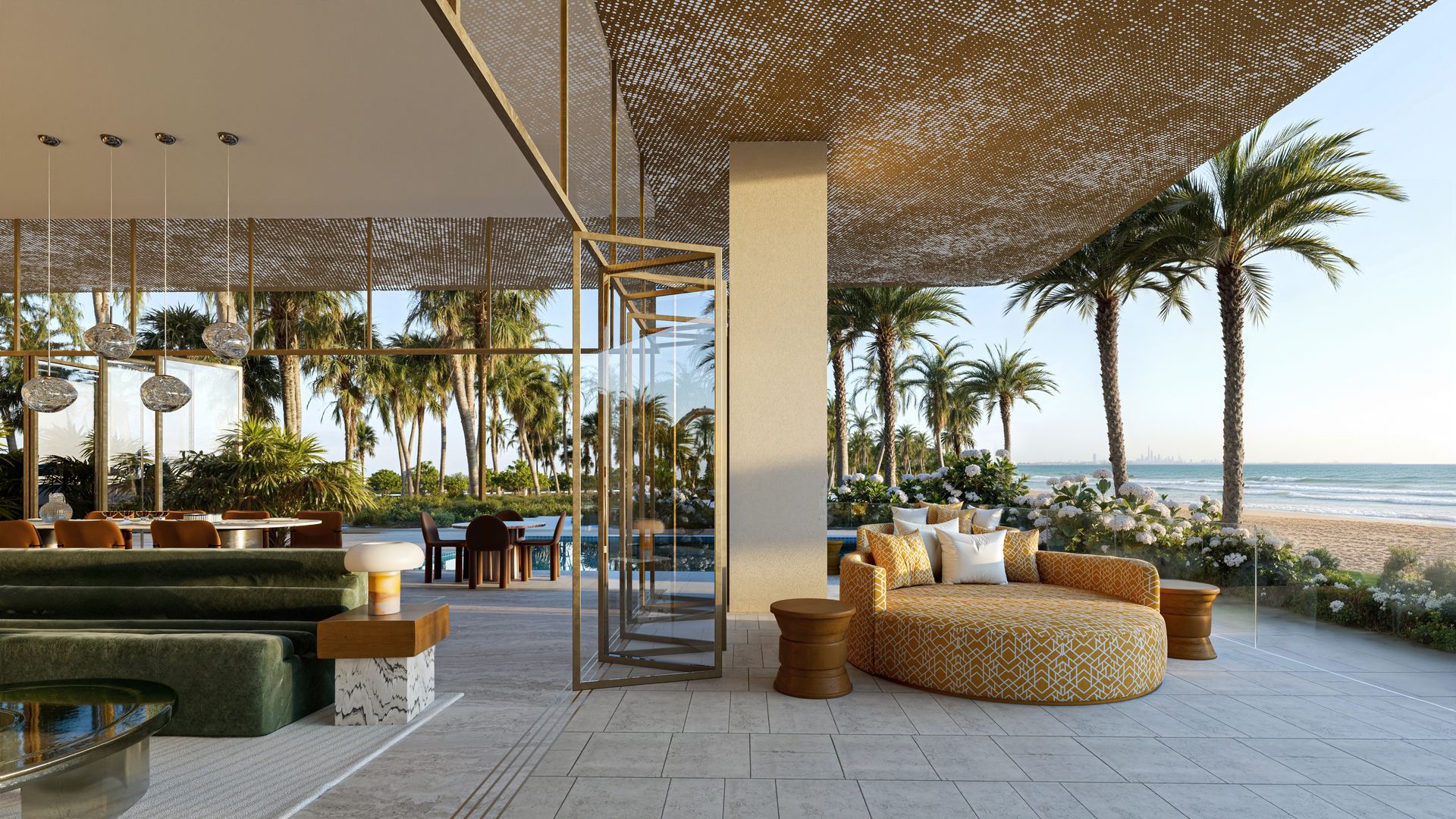
تستلهم الانتقالات المنحنية والحواف الناعمة انسيابية الأشكال الطبيعية للموقع، بما يتيح للمساحات أن تتكشّف بإحساسٍ من اليُسر والاستمرارية. وتُدخَل الأسطح المتدرّجة والتشطيبات العاكسة لالتقاط التفاعل الدقيق للضوء عبر الأفق والبحر، فتخلق لحظاتٍ تتبدّل على مدار اليوم. وتظل لوحة الألوان حاضرة عن قصد، مرتكزةً على الرملي والبرونزي والألوان المحايدة الدافئة، بما يرسّخ التصميم الداخلي في سياقه الجغرافي والثقافي.
وتُضاف إلى هذا الأساس قطعُ أثاثٍ وأعمالٌ فنية منتقاة بعناية ومستوحاة من الحِرف المحلية. ويقدّم كل عنصر تفسيراً معاصراً لهوية الخليج، بما يضمن أن يبدو التصميم متجذّراً واستشرافياً في آنٍ واحد، دون أن يقع يوماً في المباشرة الحرفية.
وتتعزّز هذه الرؤية أكثر عبر التعاون الوثيق مع المطوّر «إيليفيت» (ELEVATE)، الذي انتهج مؤسِّسه ورئيس مجلس إدارته زيشان شاه نهجاً عملياً لافتاً طوال العملية التصميمية، من اختيار الخامات إلى مراجعات التصميم. ويضفي هذا المستوى من الانخراط وضوحاً وطموحاً مشتركين على المشروع، بما يضمن انسجام كل قرار مع التزامٍ أوسع بالجودة والقيمة على المدى الطويل.
2. كيف يمكن لبيئة الواجهة البحرية أن تُملي اختيار الخامات المستخدمة والإضاءة وما إلى ذلك؟
تحمل بيئة الواجهة البحرية معها مجموعةً مميّزة من الظروف التي تشكّل كل قرارٍ تصميمي، حيث ينبغي أن يتوازن الجمال مع القدرة على التحمّل. ويُتعامَل مع الخامات بمرونةٍ هادئة، مع تفضيل التشطيبات التي لا تصمد أمام قسوة التعرّض الساحلي فحسب، بل تتطوّر بأناقةٍ مع مرور الوقت. وقد اختير الخشب المعالَج والبورسلين والمعادن المطلية بتقنية PVD لقدرتها على الحفاظ على سلامتها مع اكتساب طبقةٍ رقيقة تعكس مرور الزمن وأثر المناخ.
كما يُنسَّق الضوء بعنايةٍ استجابةً لما يحيط به. فبدلاً من أن تنافس الإضاءةُ الداخلية سطوعَ الخارج، تأتي ناعمةً منتشرة لتشكّل نقيضاً لطيفاً لضوء النهار الطبيعي القوي. ويتيح هذا التفاعل للمساحات أن تبدو هادئةً ومتّزنة، فتمنح إحساساً بالاختلاء مع بقائها متّصلةً في العمق بإيقاع البحر وتألّقه.
3. ما عناصر تجربة الضيافة التي قد تتخلّل التصميم، وكيف سيجعل ذلك المساكن أكثر تميّزاً؟
تُنسَج لغة الضيافة بعنايةٍ في هذه التجربة السكنية، فتشكّل مساحاتٍ بديهيةً وراقية في آن. ويُنظَر إلى كل لحظة من منظور تجربة الضيف؛ الوصول والانتقال والتوقّف، بما يخلق رحلةً متكاملة بدلاً من تسلسلٍ من التجارب أو الغرف.
وتُصمَّم ردهات المصاعد كنقاط وصول، حيث تحدّد الخامات والأجواء الطابع العام منذ الخطوة الأولى. ولم تعد الممرات انتقاليةً بالمعنى التقليدي، بل صارت مساراتٍ منسّقة تحدّدها تحوّلاتٌ دقيقة في الضوء والملمس والشكل. ويخلق هذا التراكم في التجربة إحساساً سلساً بالاستمرارية، بما يتيح للمساحات أن تتكشّف بقصديةٍ وإيقاع.
ومن خلال هذا التنسيق الدقيق تكتسب المساكن تميّزها. فباستلهام حسّ الضيافة، يحوّل التصميم الحركة اليومية إلى تجربةٍ أكثر غمراً، حيث يبدو كل انتقالٍ هادفاً وتسهم كل مساحة في تجربة عيشٍ متماسكة وراقية.